
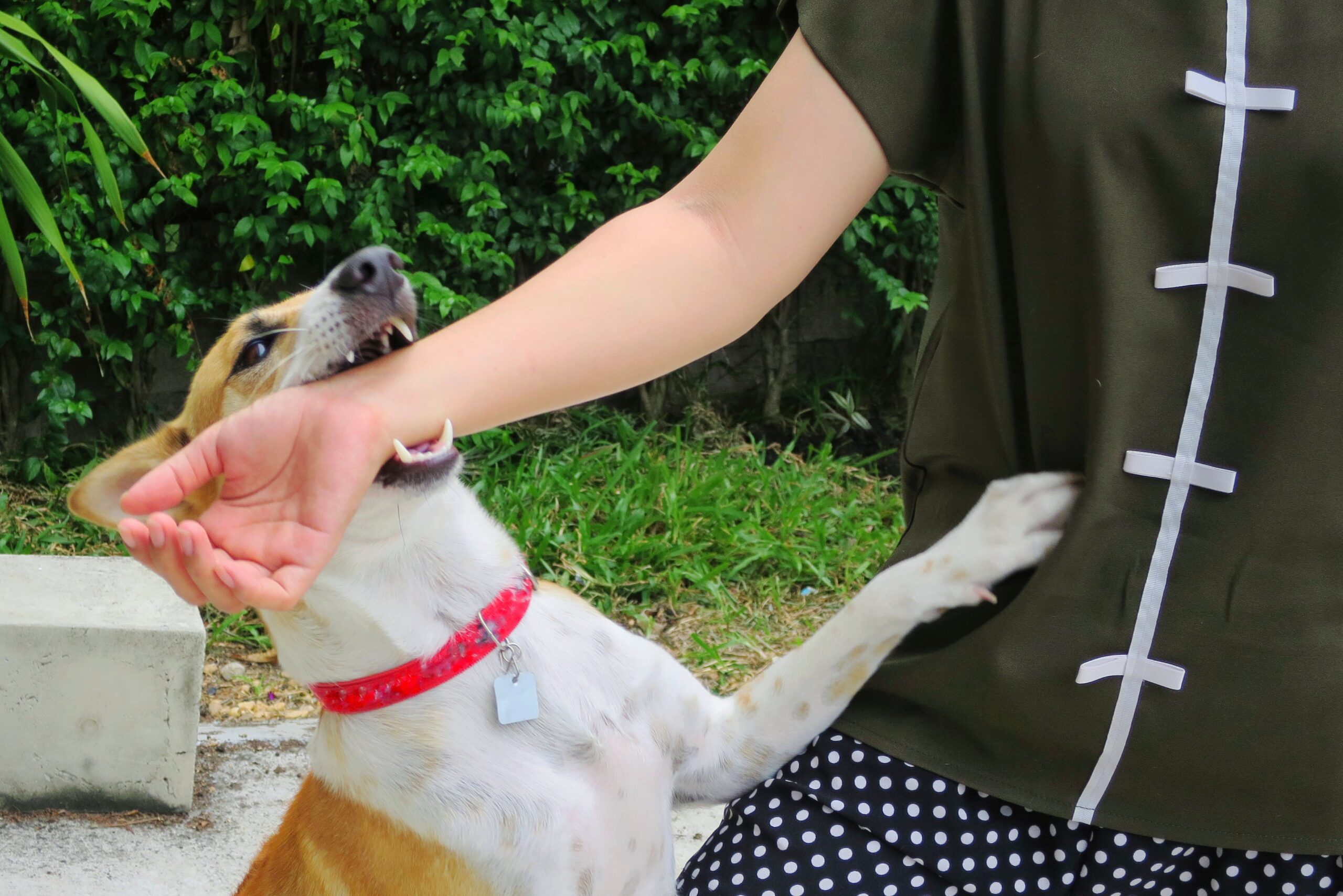
Dog attacks happen without warning. One moment you are walking through a Philadelphia neighborhood, visiting a friend, or passing a stranger on the sidewalk, and the next you are dealing with a serious wound that may require emergency care, surgery, or months of recovery. When that happens, one question tends to surface quickly: who is legally responsible?
Pennsylvania law gives a clear answer, but the details matter. Understanding how liability works in dog bite cases and what steps you need to take can make a significant difference in what happens next.
What Does Pennsylvania Law Say About Dog Bite Liability?
Pennsylvania holds dog owners strictly liable for medical costs after a bite, and additional damages may be recoverable when the owner knew or should have known the dog had dangerous tendencies or otherwise acted negligently.
Pennsylvania follows a modified dog-bite liability framework under the Pennsylvania Dog Law, including 3 Pa. Stat. Ann. § 459-502, together with Pennsylvania common-law negligence principles.”
Under this law, dog owners are automatically responsible for a victim’s medical costs after a bite, regardless of whether the dog ever showed aggression before. You do not need to prove the owner knew the dog was dangerous to recover medical expenses.
But the law goes further when there is evidence that the owner knew or should have known the dog had dangerous or vicious tendencies. In those situations, a victim may pursue additional damages, including lost wages, pain and suffering, and other losses, by establishing negligence and the owner’s knowledge of the dog’s dangerous propensities. This distinction is critical, and it is why a thorough investigation into the dog’s history matters from day one.
Who Counts as the Responsible Party?
The dog’s owner is the primary liable party, but landlords, property managers, and others in control of the animal may also share responsibility.
The owner is the most obvious defendant. But liability does not always stop there. Pennsylvania courts have recognized that other parties may share responsibility depending on the circumstances.
Consider these situations:
- In some circumstances, a landlord who knew a tenant’s dog was dangerous and had sufficient control over the property to address the danger may face liability for a bite that occurs on the premises.
- A property manager or business owner who allowed a known aggressive dog on the premises could be held accountable.
- A dog sitter, kennel, or another person who had control of the dog at the time of the attack may also bear responsibility.
Identifying every party whose negligence contributed to your injuries is part of building a complete case, not an afterthought.
What If the Attack Happened on Public Property or a Sidewalk?
Dog attacks on public sidewalks, parks, and streets in Philadelphia still fall under Pennsylvania’s Dog Law, and the owner remains liable.
Philadelphia is a dense, walkable city. Attacks frequently happen on sidewalks, in parks like Fairmount or Clark Park, or in rowhouse neighborhoods where dogs and pedestrians share close quarters. The location of the attack does not remove the owner’s liability.
If a dog was off-leash in violation of Philadelphia’s leash ordinance at the time of the attack, that violation can be used as evidence of negligence. Under Philadelphia Code § 10-102, dogs must be kept under control in public spaces. A leash law violation strengthens your claim and reflects a direct failure of responsibility.
Does It Matter If You Were Partially at Fault?
Pennsylvania’s comparative negligence rule allows you to recover damages even if you were partially at fault, as long as your share of fault does not exceed 50%.
Pennsylvania follows a modified comparative negligence standard under 42 Pa. C.S. § 7102. This means that if an insurance company or defense attorney argues you provoked the dog or trespassed on private property, those arguments could reduce your recovery, but they do not automatically eliminate it.
What matters is the evidence. Documentation of the scene, witness statements, medical records, and the dog’s history all factor into how fault is assigned. That evidence needs to be gathered quickly, before it disappears.
What Is the Deadline to File a Dog Bite Lawsuit in Pennsylvania?
Pennsylvania’s statute of limitations gives most dog bite victims two years from the date of the attack to file a personal injury lawsuit.
Under 42 Pa. C.S. § 5524, the two-year clock starts running on the day of the attack. Missing that deadline typically means losing your right to pursue any recovery at all, regardless of how serious your injuries are.
Two years sounds like a long time, but investigations take time. Medical records need to be gathered. Witnesses need to be interviewed. If the case is headed to trial, preparation begins long before a lawsuit is ever filed.
How Messa Law Approaches Dog Bite Cases in Philadelphia
We do not treat dog bite cases as something to resolve quickly and move on from. At Messa Law, we are trial attorneys. When a client comes to us after a serious dog attack, we prepare the case as if a jury is going to hear it, because that preparation is what produces real results, not just a fast settlement offer that falls short of what the injuries actually cost.
We investigate the dog’s history, identify every responsible party, and build a case grounded in evidence. If the other side is not willing to fairly account for what our client went through, we are ready to take it to court.
If you were attacked by a dog in the Philadelphia area, call us at Call Now or contact us to talk through what happened and what your options are.
Last updated: June 2026