
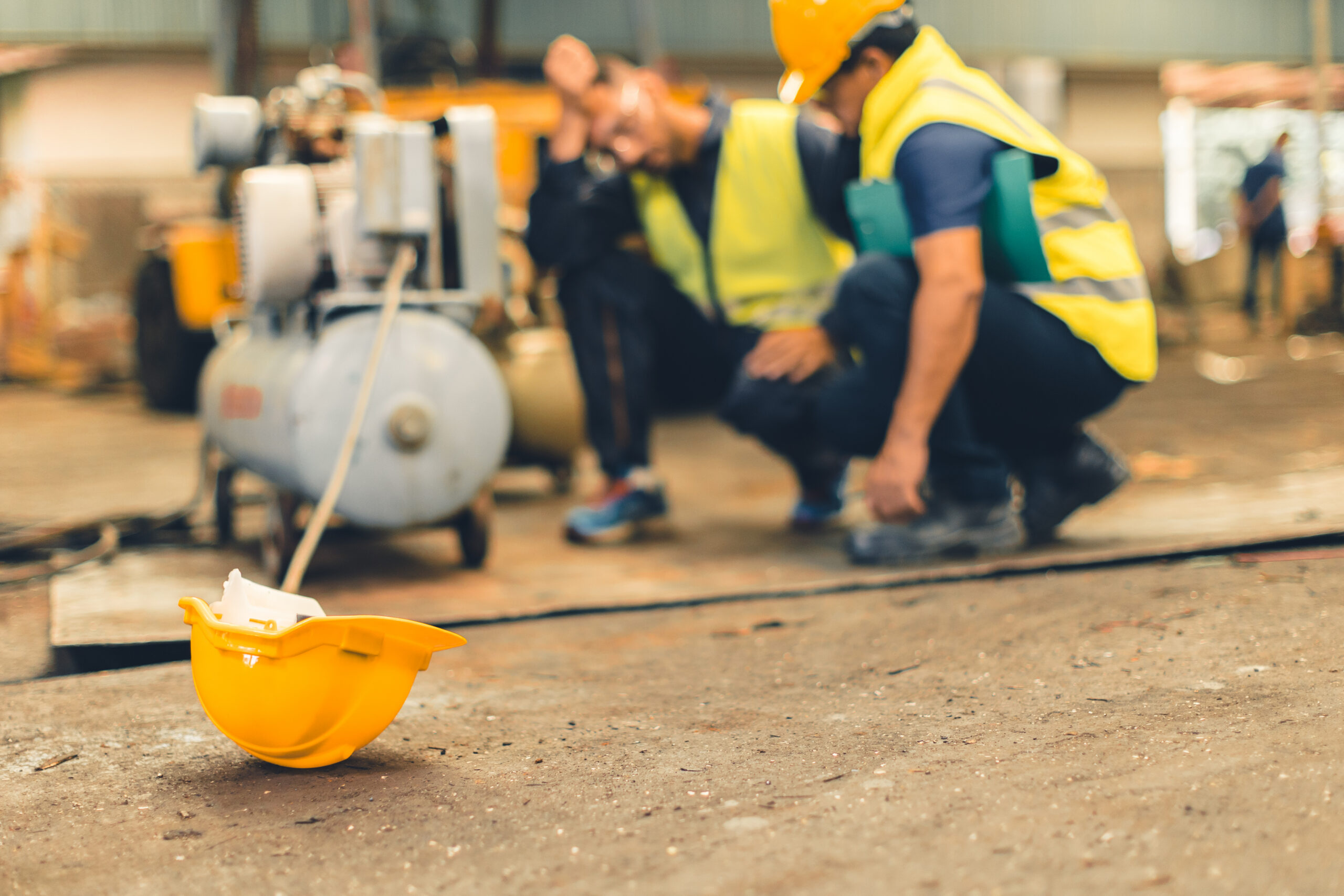
When a crane collapses, a conveyor belt malfunctions, or a safety guard fails on a power tool, the results are often catastrophic. If you are injured by defective machinery at your workplace, you will need the advice and services of a Philadelphia product liability attorney.
Heavy machinery drives the economy in Philadelphia, from the sprawling construction sites near Center City to the industrial hubs along the Delaware River, but incidents involving heavy machinery can lead to traumatic brain injuries, amputations, or permanent paralysis.
On construction sites and many other worksites, defective equipment and machinery are a leading cause of injuries. Who is accountable for defective equipment and machinery? If you are injured at work using defective equipment, can you recover compensation for your injury?
While workers’ compensation offers injury victims some support, it rarely accounts for the full scope of a catastrophic injury. To recover compensation for long-term treatment and care, you may have to look past your employer to parties that designed, built, or maintained the equipment.
Understanding Strict Product Liability in Pennsylvania
Pennsylvania adheres to a legal principle known as “strict liability” for defective products, so an injury victim (called the “plaintiff”) and a Philadelphia product liability lawyer in a personal injury case do not necessarily have to prove the product’s manufacturer acted negligently.
If an equipment manufacturer sold an item that was “unreasonably” dangerous, any party involved in the item’s distribution may be held accountable for the harm it causes. Liability generally falls into three specific categories:
- Design defects: The equipment was dangerous from the start due to defective design, posing a risk that outweighed its utility.
- Manufacturing defects: The design was safe, but something went wrong during assembly or manufacturing. This means a specific unit does not meet the manufacturer’s own specifications.
- Failure to warn: The manufacturer provided inadequate instructions for using the equipment safely or inadequate warnings about its potential dangers.
Moving Beyond Workers’ Compensation
Some workers may assume that if they’re injured on the job site, a workers’ compensation claim is their only path forward. The Pennsylvania Workers’ Compensation Act generally prevents employees from suing their employers for work-related crashes or injuries.
Workers’ comp provides medical benefits, but often fails to provide the level of compensation you will need if you suffer a catastrophic injury. While you receive workers’ compensation, you may also qualify to bring a lawsuit, with assistance from a Philadelphia product liability attorney, against the equipment’s manufacturer, the distributor, or a maintenance contractor.
Product liability cases let victims recover losses that workers’ comp ignores, such as the full extent of personal pain, anguish, and the loss of the “enjoyment of life.” In most cases, you have a 2-year deadline (from the date of the injury) to file a product liability lawsuit.
Liable Parties in Worksite Machinery Cases
Identifying every potential party with liability is the most critical step in a complex industrial equipment injury case. In the Philadelphia region, equipment often changes hands several times before reaching a job site.
In a product liability case, the manufacturer that built the equipment is the primary defendant, and parts manufacturers may also be defendants. If a truck crash happens on a worksite because the brakes failed, both the truck manufacturer and the company that designed the braking mechanism could be held liable.
Worksite managers may outsource the maintenance of heavy machinery to third parties. In Pennsylvania, third-party contractors who improperly service a crane or bypass a safety sensor to save time may also be held accountable for negligence.
When equipment is rented or leased, the rental agency has a duty to ensure the equipment is in good working condition. If it provides equipment with a known defect or machinery that has failed safety inspections, the rental agency may also be liable.
Proving a Defective Product Claim
The Pennsylvania Supreme Court has held (in Tincher v. Omega Flex, Inc., 2014) that a plaintiff can prove a product is defective by demonstrating that the product’s risks are unknowable and unacceptable to the average consumer.
Litigating a product liability claim requires significant resources. It may involve hiring an engineering expert to disassemble the machinery, a metallurgical expert to test for stress fractures, and a medical professional to project the lifetime costs of a catastrophic injury.
Pennsylvania does not cap compensatory damages in private-sector product liability cases, so the stakes are often high for both sides. Equipment manufacturers are often willing to settle these cases out of court when they understand that a plaintiff’s case is strong enough to prevail at trial.
Catastrophic Injuries and Long-Term Consequences
Defective heavy machinery may cause life-changing injuries: spinal cord injuries, brain injuries, severe burns from explosions, crushed limbs, and permanent disabilities. These injuries require a comprehensive legal strategy that accounts for a lifetime of specialized medical equipment and treatment, home modifications, and the loss of the ability to provide for one’s family.
In Philadelphia, product liability cases are usually heard in the Court of Common Pleas. Plaintiffs should be represented by a Philadelphia product liability lawyer who treats every case as if it is headed for a jury.
Many law firms look for the quickest path to a settlement. You need a legal team that prepares for trial from day one. An aggressive stance forces an insurance company to recognize the true gravity of the harm a plaintiff has suffered.
Why Messa Law Stands Out
At Messa Law, we know Philadelphia. We understand the local worksites, unions, and court system. We’re known for prevailing against multi-billion-dollar manufacturers and international trucking companies.
We have secured recoveries for families facing the unthinkable, including ironworkers injured in explosions and individuals suffering from permanent paralysis due to defective equipment.
If you or someone you love has suffered a catastrophic injury due to defective worksite equipment, you deserve a team that will be aggressive and diligent in fighting for the maximum possible recovery. Call Messa Law today to schedule a free consultation with our legal professionals.