
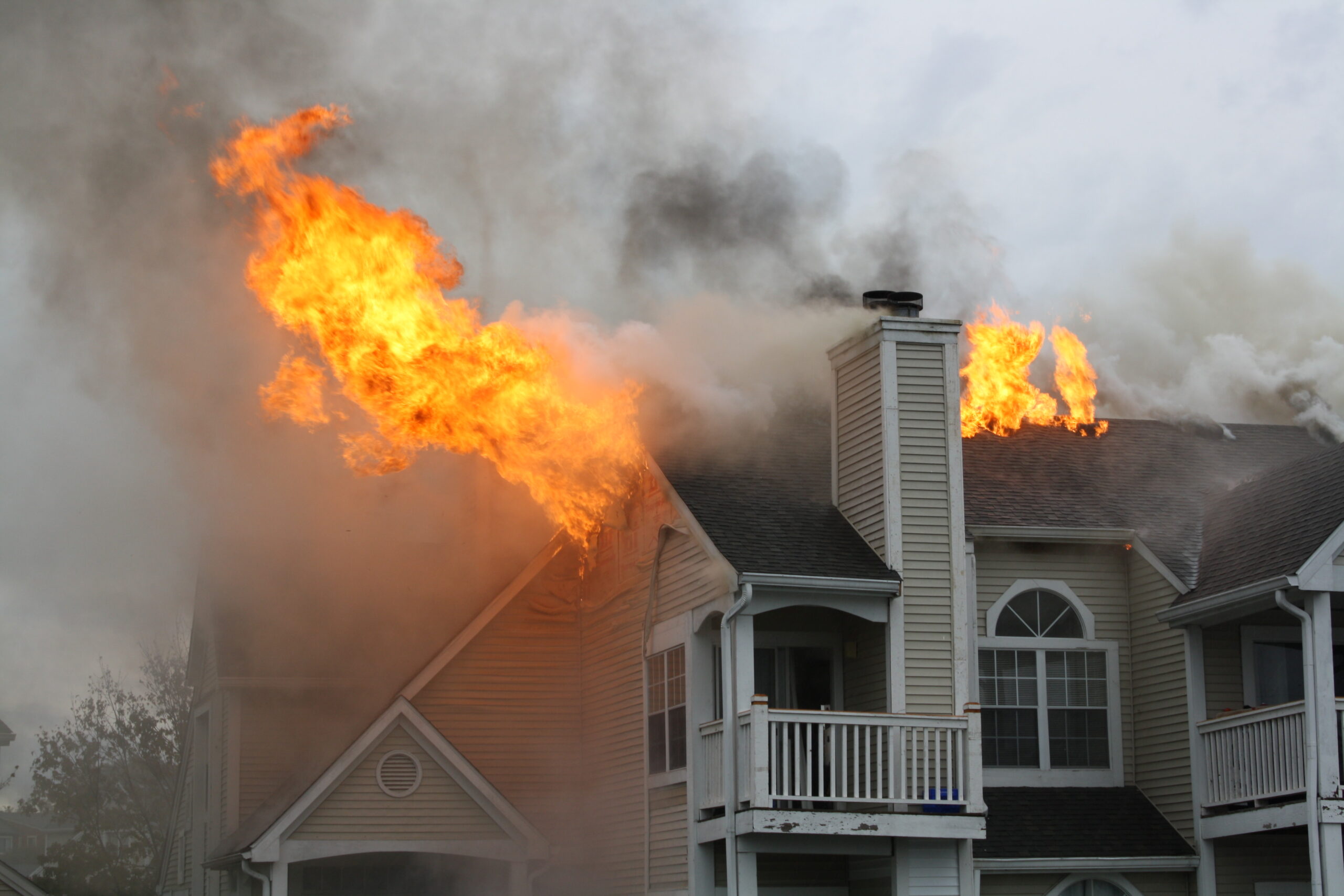
If a property owner or manager in the Philadelphia area does not maintain a safe environment or adhere to fire codes, and that failure results in your injury in a fire, contact a Philadelphia premises liability attorney immediately.
Liability for burn injuries resulting from a fire in a Philadelphia apartment building or hotel is governed by Pennsylvania law. Premises liability is a complex area of law. Depending on the fire’s origin and the contributing factors, multiple parties could be held accountable.
By law, Pennsylvania property owners are obligated to provide a duty of care to their tenants, guests, and other lawful visitors. This duty requires them to maintain their properties for safety and to remedy hazards they are aware of or should be aware of.
Establishing Liability in an Apartment Building Fire Injury Case
To establish liability in a fire injury case, the injury victim’s Philadelphia premises liability lawyer typically needs to prove the following four elements of negligence:
- Duty of care: The landlord or property owner (“the defendant”) was obligated by law to protect the victim (“the plaintiff”) from a foreseeable hazard, which includes taking reasonable steps to prevent fires.
- Breach of duty: The defendant failed to fulfil this obligation, constituting negligence. The defendant may have violated fire safety codes or failed to maintain required equipment.
- Causation: The landlord’s breach of duty was a proximate or direct cause of the fire and the resulting burn injuries.
- Damages: The plaintiff suffered quantifiable harm (usually including medical expenses, lost wages, pain, and suffering).
Failure to Install or Maintain Fire Safety Equipment
Philadelphia’s local fire code often supersedes state codes or adds stricter requirements. Failure to install or maintain fire safety equipment is among the common grounds for liability. The city requires landlords to provide and maintain working fire safety equipment.
Examples of negligence include:
- Failing to install the required number of smoke detectors (battery-powered or hard-wired, depending on the building type and age) in the immediate vicinity of bedrooms and on each story.
- Failing to repair a broken fire alarm system after being notified of the issue by a tenant.
- Failing to maintain or inspect sprinkler and standpipe systems as required by annual certification rules.
- Not providing fire extinguishers.
Maintenance and Structural Defects
Fires often start or spread rapidly due to underlying building defects that a landlord knew or should have been aware of, such as:
- Blocked exits: Failing to keep stairwells, hallways, and exit routes clear of obstructions.
- Faulty electrical wiring: Poorly maintained or old wiring can lead to electrical fires.
- Building code violations: Non-compliance with fireproofing requirements or the use of improper construction materials.
What Else Should Landlords Know?
Landlords are generally responsible for maintaining safe conditions in shared spaces, such as lobbies, stairwells, hallways, and laundry rooms. If a fire breaks out in a common area due to a lack of maintenance, the landlord may be liable for injuries to guests or tenants.
For a negligence claim to prevail, the landlord must have had actual or constructive knowledge of the hazardous condition. A tenant reporting faulty wiring is “actual” notice. A structural issue that should have been discovered during an inspection constitutes “constructive” notice.
Establishing Liability in a Hotel Fire Injury Case
Hotel operators typically owe the highest duty of care to their guests, who are considered “invitees” under premises liability law. This means the owners must have their properties actively inspected for dangerous conditions, repair them, or provide adequate warnings.
Hotel fire liability is comparable to apartment fire liability, but with a greater emphasis on inspection and stricter compliance standards.
When Are Hotel Operators Negligent?
Hotel operators are negligent when they fail to follow building or fire codes. Hotels must adhere to strict commercial fire safety standards, which often include mandatory fire sprinkler systems, fire alarm systems, and clearly posted, accessible evacuation plans.
Negligence may also include inadequate staff training, such as failing to properly train staff on emergency procedures, including how to activate alarms, assist with evacuation, and use fire safety equipment.
Failing to warn guests of temporary hazards or not clearly marking emergency exits is negligence. Negligent maintenance may include faulty kitchen equipment, poorly maintained heating systems, or unaddressed electrical issues that lead to a fire.
Who Else May Have Liability for Hotel and Apartment Fires?
In addition to a property owner or manager, an investigation by a Philadelphia premises liability attorney may reveal other parties with liability, including:
- Product manufacturers: When defective products cause fires or fail to warn or protect against fire-related risks adequately, manufacturers may be strictly liable for the resulting injuries. This includes defects in design, manufacturing, or labeling that make a product unreasonably dangerous. Examples may include faulty smoke detectors, sprinkler systems, coffee makers, kitchen appliances, space heaters, or light fixtures that malfunction and ignite fires. Liability may also arise where a product fails to properly alert users to fire or smoke hazards, or fails to provide adequate safety warnings or instructions. In these cases, the injured party generally must show that the product was defective and that the defect directly caused the fire and resulting harm.
- Third-party contractors: If a fire was caused by the negligent work of a third-party contractor (such as an electrician responsible for faulty wiring or a maintenance company that improperly serviced the HVAC system), that contractor may be liable.
- Another party: If a fire is caused by the carelessness or recklessness of another tenant or guest, that individual may be the primary liable party. A landlord may bear secondary liability if a safety failure (like a non-working alarm) exacerbated a victim’s injury.
What Else Should a Fire Injury Victim Know?
Pennsylvania law adheres to the modified comparative negligence principle. This means if an injured person is partially at fault for a fire, compensation is reduced by the percentage of fault. A victim found 51% or more responsible for the incident is barred from recovering damages.
The deadline for filing premises liability claims in Pennsylvania is two years from the date of the injury. Don’t wait two years to seek legal counsel. Your Philadelphia premises liability lawyer needs to see evidence that’s fresh and question the witnesses before their recollections fade.
To learn more about your rights as a fire injury victim or to begin the legal process, call us today. Your first legal consultation is provided at no cost, and you’ll owe us no attorney fees until we recover the compensation you need and deserve.