
What is the Modified Comparative Negligence Rule in Pennsylvania?
Some states operate under a contributory negligence understanding of the law in personal injury cases, while others utilize different types of comparative negligence doctrines. Pennsylvania and, by extension, Philadelphia follow a modified comparative negligence doctrine for personal injury law and car accident cases.
In Pennsylvania, multiple parties can be responsible for causing a motor vehicle accident and any associated injuries. It’s even possible for the car accident victim to be held partially accountable. While some pure comparative negligence states, such as California, provide pathways for injured motorists to seek compensation so long as they are not 100% at fault, there is a stricter threshold in Pennsylvania car accidents.
Pennsylvania’s modified comparative negligence law allows injured drivers and passengers to seek financial recovery so long as they are not 51% or more responsible for causing the crash. Those deemed 51% or more at fault cannot typically hope to recover compensation with a personal injury claim in Pennsylvania.
Can You Still Take Legal Action if You Were Partially at Fault for Causing the Car Crash?
Pennsylvania drivers and passengers have the right to seek compensation even if they were deemed partially to blame for causing the auto collision. Even if you were partially to blame, you may still have the right to take legal action, but if you were primarily to blame, you may not. Those with 51% or more of the blame thrust upon their shoulders following an investigation are likely to be barred from recovering anything regarding a settlement for their injuries and other losses.
The amount of fault a driver is deemed to have can directly affect their ability to recover the full compensation they deserve. For example, if you are partially at fault for causing the crash, your percentage of fault will take a chunk out of the financial settlement you could acquire. For this reason, it is wise to hire professional legal representatives to argue a convincing case and avoid any liability or negligence that could devalue your claim.
How is Fault Determined in Pennsylvania Car Accidents?
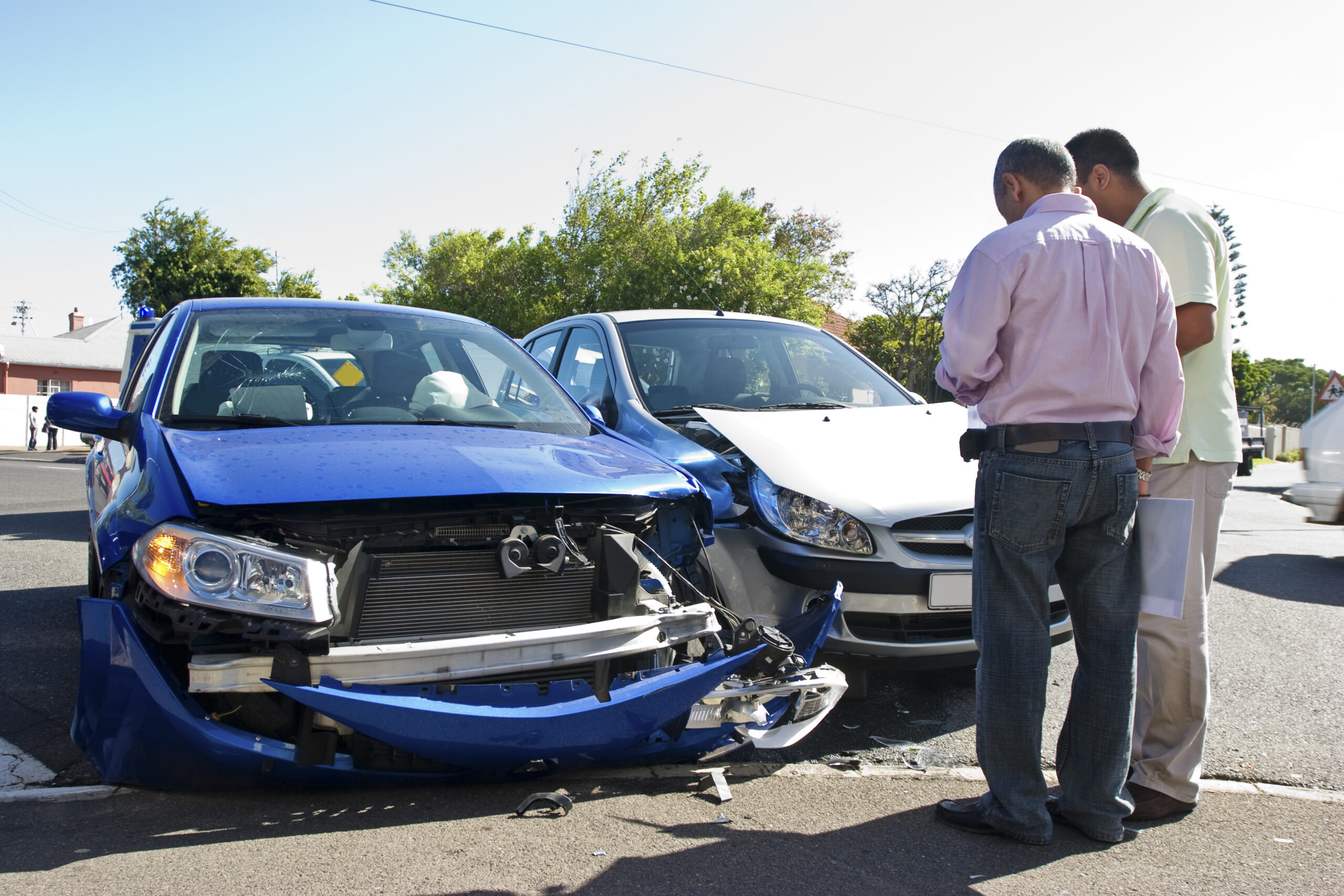
After an automobile accident, there must be a thorough investigation into the cause of the crash and any relevant factors that could have contributed to the incident. Typically, investigators and legal professionals look for examples of negligence where a motorist or other party acted recklessly and endangered themselves and others. In some car accident cases, it may be easy to determine negligence, such as instances of drunk driving, hit-and-run pedestrian incidents, and others. However, in some legal matters, it may be more challenging to determine negligence, and there could be disagreements between the parties involved.
Various pieces of evidence will be used and reviewed to help determine fault, including the following:
· Driver inattention
· Electronic data recovered from recording instruments and black boxes
· Follow-up actions by law enforcement
· Medical records
· Motor vehicle damage
· Road and weather conditions at the time of the crash
· Statements from witnesses
· Surveillance footage
· Testimony of a car accident reconstructionist
· The location and time of the collision
· Traffic violations that may have contributed to the crash
· And more
Do Insurance Companies Take Advantage of Comparative Fault Laws?
Insurance companies explore ways to limit what they need to pay victims after car accidents resulting in severe injuries. They will send insurance adjusters to accident scenes to look for evidence they can use to save money. They will even attempt to misconstrue statements made by car accident victims to prove their case.
Insurance companies can sometimes use comparative negligence laws to their benefit by assigning fault to those who have done nothing wrong. They may argue, for example, that a motorist was driving too fast, didn’t respond quickly enough behind the wheel of the vehicle, or was distracted by something other than their driving. These arguments are meant to raise your percentage of fault and thus limit how much they need to pay in terms of compensation.
How Will Shared Fault Affect Your Maximum Compensation?
A successful claim can recover economic and non-economic damages for catastrophic injuries, property damage, lost wages, wrongful death damages, and more. However, any degree of shared negligence could devalue your full compensation.
For example, if the investigations determine that you were partially at fault for the accident, the percentage of fault you carry will directly impact your car accident settlement. If you are held 30% at fault, you would see your total compensation reduced by 30% accordingly. Regarding a financial settlement, this could be many hundreds, thousands, or hundreds of thousands of dollars subtracted from your maximum compensation.
To fight for every dime your case is worth, contact our Philadelphia law firm to schedule a free case review with our legal team today.
Schedule a Free Consultation with Our Experienced Car Accident Attorneys Today
Those looking to recover compensation after a motor vehicle crash in Philadelphia need to understand the state’s comparative negligence laws and how they can affect their right to financial recovery. Even if you were partially at fault for the auto accident, it is still possible for you to seek compensation, provided that your level of fault does not exceed 51%. Often, car accident victims retain professional legal counsel to help them present a convincing case that argues for a lower percentage of fault and thus a higher amount of compensation.
For legal assistance throughout the claims process, investigation, and negotiations for fair compensation, please contact our Pennsylvania law office to schedule your free initial consultation with our car accident lawyers today. We are proud to provide compassionate legal services to all clients interested in our representation, and we will fight tirelessly to get you the justice and recovery you require.
Contact our law office at Call Now.