
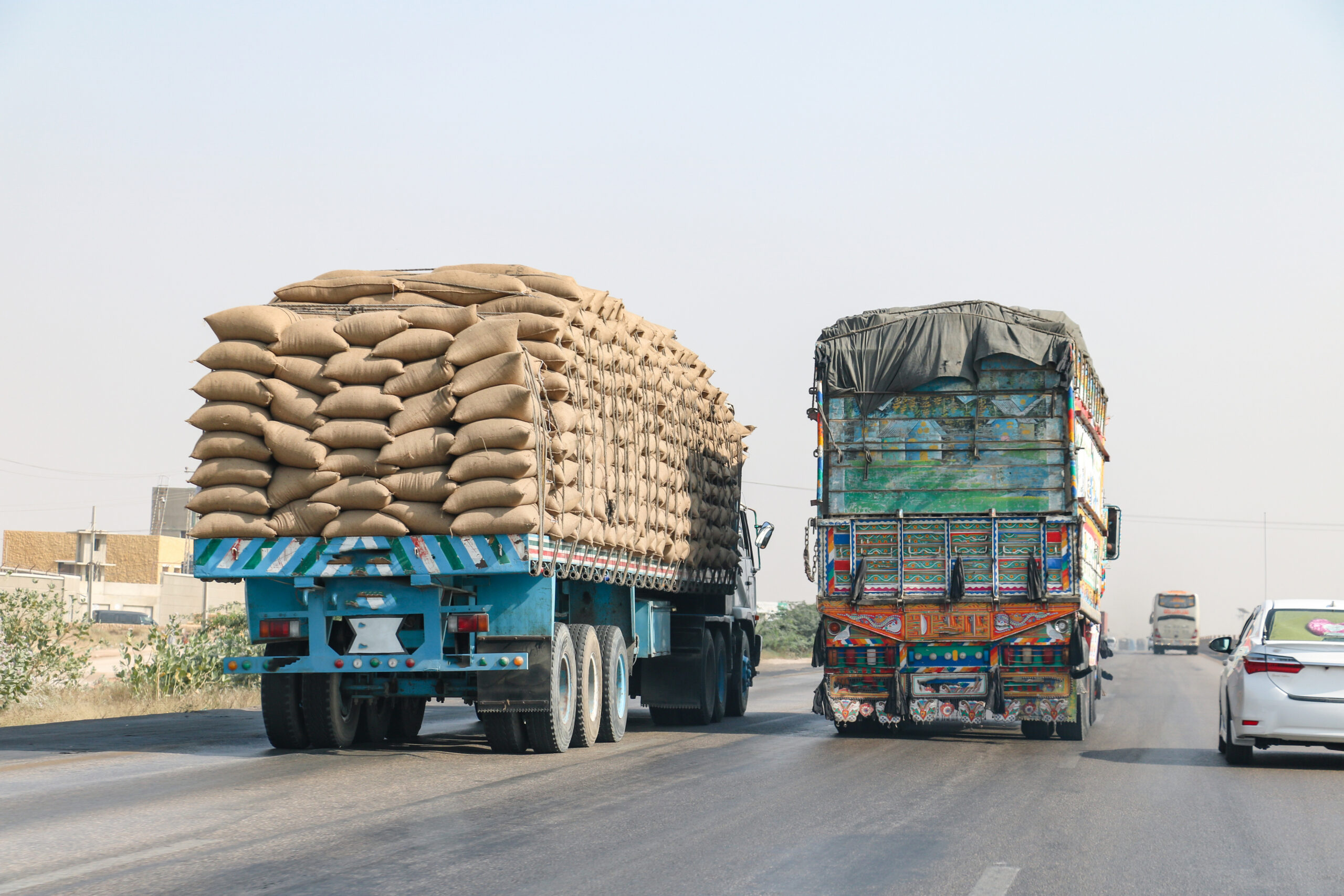
The sight of a large commercial truck on a Pennsylvania highway is a common one. Most of these trucks are operated safely and within legal limits. But sometimes, a truck carrying too much weight, or an improperly loaded truck, can become a hazard.
An accident with an overloaded truck is often catastrophic, causing serious injuries and leaving victims feeling overwhelmed. We understand the confusion and the difficult road ahead. When a truck accident happens in Philadelphia, you may wonder what your legal rights are and who is responsible for your medical bills and other damages.
We are here to help you understand the specific laws and procedures in Pennsylvania that apply to these complex cases.
What Are the Dangers of an Overloaded Truck?
The Pennsylvania Vehicle Code sets strict weight limits for commercial vehicles. These limits are not arbitrary; they are in place to keep everyone on our roads safe.
When a truck carries a load that is too heavy, it can lose control in several ways, including the following:
- Braking Problems: An overloaded truck needs a much longer distance to stop. This can lead to devastating rear-end collisions, especially in congested areas or when traffic suddenly slows
- Tire Blowouts: Excess weight puts immense stress on a truck’s tires. A blowout at highway speeds can cause the driver to lose control, leading to a multi-vehicle pileup
- Steering and Handling Issues: Overloaded trucks are difficult to steer and navigate. They can be unstable on turns, especially on our city’s winding roads, increasing the risk of a jackknife or rollover accident
- Suspension and Structural Failure: The sheer weight can cause critical components like axles or the suspension to fail, leading to a mechanical breakdown that results in a crash
These are just a few of the reasons why an accident with a large, overloaded truck can be so different from a standard car crash.
How Can Victims Prove Negligence Under Pennsylvania Law?
Every personal injury claim, including those for truck accidents, depends on proving negligence. This means we must show that another party’s carelessness led to your injuries.
In Pennsylvania, this involves proving four key elements:
- Duty of Care: Truck drivers and trucking companies have a duty to operate their vehicles safely and within the law
- Breach of Duty: The at-fault party failed to meet that duty. For an overloaded truck, this breach often violates state or federal weight laws
- Causation: The breach directly caused your accident and injuries. We must connect the truck’s excessive weight to the crash itself
- Damages: You suffered actual harm as a result, such as medical expenses, lost wages, and pain and suffering
An overloaded truck accident can have more than one negligent party. While the driver might be at fault for knowingly operating an overweight vehicle, others can also be held responsible. For example, the trucking company may have pressured the driver to carry a heavier load to meet a deadline. The cargo loader could have improperly secured the load, causing it to shift and exceed the truck’s weight limits. We look at every aspect of the case to identify all parties who share responsibility.
What is Comparative Negligence?
Pennsylvania follows a legal principle called modified comparative negligence. This rule is important in any personal injury case. It means that you can still receive compensation for your injuries even if you were partly at fault for the accident, as long as your fault is 50% or less. If your share of fault is determined to be 51% or more, you are not able to recover any damages.
Trucking companies often try to shift blame onto you to avoid or reduce liability. We know how to counter these tactics and present a clear picture of what happened, so your rights are protected.
What is the Role of Evidence in Overloaded Truck Cases?
Building a strong case against a trucking company requires a thorough investigation and the collection of specific evidence. The Pennsylvania State Police often handle these accidents, and their reports are an important starting point. But we need to dig deeper.
Some critical pieces of evidence for an overloaded truck case include the following:
- Weigh Station Records: Did the truck pass a weigh station before the accident? These records can provide direct proof of a violation
- Shipping and Loading Manifests: These documents show the weight of the cargo, the date and time of loading, and who was responsible for the load
- The Truck’s “Black Box”: Most commercial trucks have an Electronic Control Module (ECM) or other onboard device that records information like speed, braking, and engine data. This data can reveal a lot about the moments leading up to the crash
- Driver Logs: These records, now often electronic, document a driver’s hours behind the wheel. We check for violations of federal Hours of Service regulations, as a fatigued driver may be more likely to make a mistake
The trucking company or its insurer may try to destroy or alter this evidence. That is why we act quickly after an accident to send a spoliation letter, which legally demands that all evidence be preserved.
Is There a Statute of Limitations in Truck Accident Cases?
In Pennsylvania, the law imposes a two-year statute of limitations for most personal injury claims. This means you typically have two years from the date of the accident to file a lawsuit in a court of law. This deadline may seem far away, but preparing a comprehensive truck accident case takes time. Insurance companies often drag out the negotiation process, hoping you will miss the deadline. Filing a lawsuit is a critical step that secures your right to pursue your claim.
Our legal team is familiar with the local court system and the procedures involved in handling these complex claims.
Schedule Your Free Initial Consultation with Our Truck Accident Lawyers Today
We are here to provide you with the compassionate and helpful guidance you need through this challenging time. We will handle all communications with the insurance companies, conduct a detailed investigation, and fight for the maximum financial recovery you deserve.
If you have been injured in an overloaded truck accident in or near Philadelphia, we invite you to contact us for a free, no-obligation case evaluation. We can review your personal injury case and help you understand your legal options.
Call Now to schedule your free case review.